Sustainable Solutions: How E-Waste Recycling Services Are Saving Our Planet
Electronic waste presents serious dangers to the environment, as discarded electronics often contain toxic materials. Such dangerous compounds can pollute soil and water supplies, leading to broader ecological damage. Electronic waste recycling programs offer an effective remedy. They serve the dual purpose of reclaiming precious materials and reducing contamination. Gaining insight into how these programs function and affect local communities is critical. The journey towards effective e-waste management raises critical questions about individual responsibility and collective action. What measures can be pursued from this point onward?
Why E-Waste Is Bad for the Planet
Although technology enhances modern life, e-waste creates considerable environmental hazards. Abandoned electronic gadgets, frequently composed of toxic substances including lead, mercury, and cadmium, may release harmful substances into groundwater and soil, posing risks to human health and ecosystems. The swift progression of technology leads to greater consumer replacement of electronic devices, exacerbating the accumulation of discarded electronic materials.
Landfills, already overwhelmed with refuse, find it difficult to handle the increasing amounts of discarded devices. Incineration, another disposal method, releases harmful pollutants into the atmosphere, contributing to air quality degradation. Furthermore, inadequate recycling methods can result in the shipment of electronic waste to underdeveloped nations, where workers may break down equipment without proper protective measures, putting themselves at risk of exposure to hazardous materials. This ongoing cycle of carelessness and inadequate management emphasizes the pressing necessity for responsible recycling initiatives that can lessen the harmful consequences of e-waste on our world.
Understanding E-Waste and Its Significance
E-waste, or electronic waste, includes obsolete electronic products such as computers, smartphones, and televisions that are no longer functional or needed. This increasingly prevalent form of waste is important because of its swift buildup, fueled by innovation in technology and shifting consumer habits. As more devices become obsolete, the environmental impact intensifies, with dangerous elements including lead, mercury, and cadmium presenting serious hazards to the environment and human well-being.
The importance of addressing e-waste lies not only in mitigating these hazards but also in recognizing the valuable materials it contains. Critical metals and rare earth components can be reclaimed and recycled, decreasing the reliance on mining and protecting natural resources. Through a deeper awareness of e-waste and its consequences, both individuals and organizations can make well-informed choices regarding disposal and recycling, thereby supporting a more sustainable future. Responsible management of e-waste plays a key role in supporting a circular economy and championing environmental stewardship.
How E-Waste Recycling Works
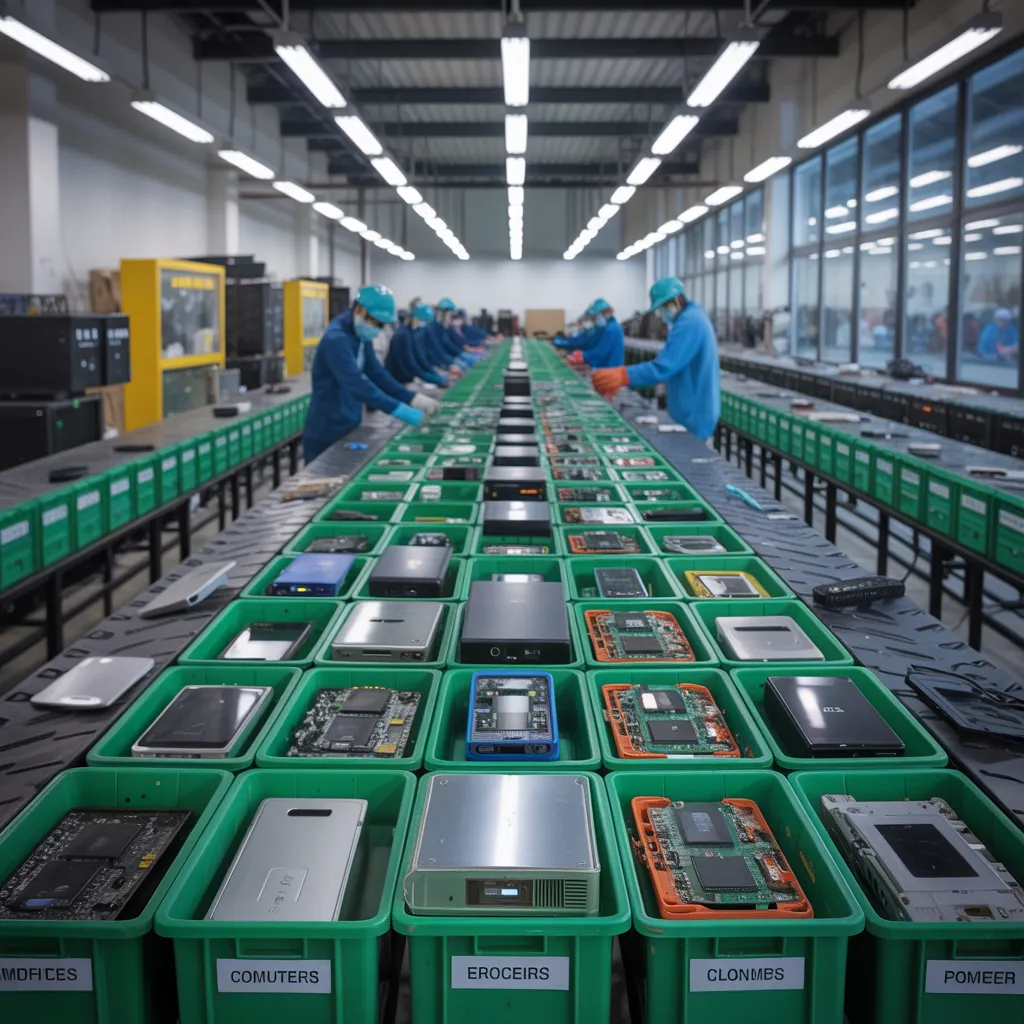
E-waste recycling entails an organized procedure aimed at reclaiming useful resources while minimizing environmental impact. At the outset, electronic waste is gathered and delivered to purpose-built recycling plants. Upon arrival, the equipment is meticulously organized to isolate dangerous parts from recoverable materials.
After this step, workers take apart the electronics, separating plastics, metals, and glass. This phase is essential, as it enables the recovery of high-value metals like copper, gold, and silver, which can be reused in new electronics.
Following this, the isolated materials are treated through sophisticated techniques, such as shredding and chemical treatments, to refine them for recycling.
Finally, the remaining hazardous materials are disposed of responsibly, following eco-friendly standards. This comprehensive process not only saves important resources but also minimizes the hazards linked to unsafe e-waste handling, ensuring a more sustainable future for the consumption of electronics.
Benefits of E-Waste Recycling for You and Your Community
Although it often goes unnoticed, the benefits of e-waste recycling reach well past personal use to meaningfully influence entire communities. By responsibly disposing of electronic waste, individuals contribute to a safer environment, decreasing toxic components that can leach into soil and water. This proactive approach helps preserve local ecosystems and advances public health.
Additionally, e-waste recycling promotes workforce growth within communities. Community recycling operations commonly require workers for various operations, from collection to processing, consequently creating meaningful employment within the community. This not only strengthens the regional economy but also fosters community involvement in eco-friendly practices.
In addition, familiarity with e-waste recycling has the potential to generate awareness campaigns, empowering residents to pursue greener alternatives. By engaging with e-waste recycling programs, individuals nurture a culture of sustainability, inspiring others to embrace similar practices. In summary, the collective impact of these actions can result in a more sustainable and conscientious community.
How to Pick an E-Waste Recycling Service
Choosing the most suitable e-waste recycling service is essential for making sure that electronic waste is processed with responsibility and sustainability. To begin, people should check the provider's accreditations, such as R2 and e-Stewards certifications, which signify conformance to established benchmarks for secure waste disposal procedures. Additionally, it is advisable to evaluate the provider's reputation by checking reviews and seeking referrals from reliable sources.
Next, clarity in the recycling process is essential. A dependable provider should provide clear information about the manner in which e-waste is managed and what happens to the materials. Moreover, evaluating the range of services offered can be beneficial; various firms may supply retrieval services or extend benefits for recycling.
Ultimately, understanding local regulations regarding e-waste disposal can additionally influence the choice of disposal method. Through focusing on these key aspects, consumers can play a role in efficient electronic waste handling while supporting environmentally responsible practices.
How You Can Get Involved in E-Waste Recycling?
Participating in e-waste recycling can start at the local level, where community recycling hubs frequently offer essential services for responsible disposal. Moreover, joining community awareness campaigns can enhance efforts to raise awareness about the importance of responsible e-waste management. These actions not only promote sustainability but also build a collective sense of responsibility toward the environment.
Community Recycling Locations
Many local recycling centers play an essential role in e-waste recycling, supplying communities with reliable ways to discard electronic waste in an eco-friendly way. These facilities handle a wide array of electronic items, including used computers, handheld devices, and televisions, making certain that hazardous materials are managed safely. The majority of facilities employ experienced team members who can guide individuals on proper disposal methods, emphasizing the importance of recycling over landfilling. Moreover, several stations organize planned drop-off gatherings or set collection days, enabling residents to engage without difficulty. Through the use of these community services, individuals contribute to a circular economy, reducing environmental impact and promoting sustainable practices. Partnering with these facilities allows communities to address e-waste pollution proactively.
Community Education Campaigns
Community groups, educational institutions, and companies can partner to arrange initiatives that encourage e-waste collection drives. Community members can serve a critical function in promoting knowledge, handing out educational content, and interacting with the surrounding community. As a result of these combined actions, local inhabitants gain greater awareness and encouragement to properly recycle their e-waste, thereby helping to build a greener and more sustainable tomorrow.
Answers to Your Most Common Questions
What Types of Electronics Can Be Recycled?
Many different electronics can be recycled, including laptops, televisions, smartphones, printers, computers, and gaming consoles. In addition, peripherals such as mice, keyboards, and batteries are well-suited for recycling, supporting environmental conservation efforts.
Do Any Costs Come With E-Waste Recycling?
Indeed, electronic waste recycling can include fees, subject to the facility. Some service centers impose charges for pickup or handling, while other facilities offer free services, typically funded by the proceeds from salvaged materials.
How Do Businesses Gain From E-Waste Recycling?
Organizations can gain from Learn more e-waste recycling by minimizing disposal costs, enhancing their environmental image, meeting compliance standards, extracting valuable resources, and possibly earning income through resale, thereby fostering a more environmentally responsible business approach.
What Happens to Data on Recycled Devices?
Information from repurposed electronics is frequently irretrievably wiped or eliminated during the refurbishment process. This guarantees confidential data remains secure, preventing unauthorized access while permitting resources to be repurposed safely and responsibly within new applications.
Are Broken Electronics Eligible for Recycling?
Absolutely, broken electronics may be recycled. Many centers accept damaged devices, guaranteeing proper disposal and retrieval of recoverable materials. This helps minimize environmental impact while supporting sustainable recycling habits to control electrical waste responsibly.